

Eye tracking
How Eye Tracking Can Help Older Readers
Elizabeth Stine-Morrow and her Adult Learning Lab investigate the differences between younger and older readers using eye tracking technology (watch video)

Reading Studies: Increasing Reading Speed and Comprehension
Speed reading techniques are a much discussed topic that has gained many followers over the last decades. Studies conducted are often disputed, but agree on a natural trade-off between reading speed and comprehension levels (click on the picture to read more):

Diferent Written Languages Are Equally as Efficient at Conveying Meaning
A study led by the University of Southampton has found there is no difference in the time it takes people from different countries to read and process different languages (click on the picture to read more):

Eye Tracking Study: The Effect of Dyslexia and Hyperlexia
How does dyslexia affect reading?

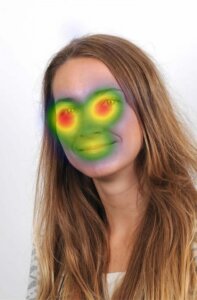
Why We Look at Pretty Faces
Few visual impressions can be compared to humans’ interest for faces. New research suggests that our brain rewards us for looking at pretty faces (click on the picture to read more).
Eye Tracking & Neuromeasurement Tools
Dr Marco Palma discusses Eye Tracking and Neuromeasurement Tools for Marketing Research and Extension.

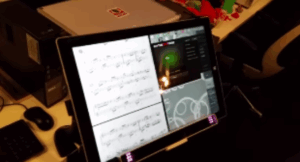
Page Turning Eye Tracking Proof of Concept
University of Sydney Proof of Concept for using eye tracking to scroll / page turn a musical score (or any other useful document/webpage) (click on the picture to watch the video):
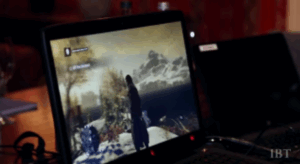
Assassin’s Creed Rogue and Tobii Tech eye tracking technology changes the game
Motion controls have been part of the video game industry for many years, with Nintendo’s Wii Nunchuk and Microsoft’s Kinect camera being two of the most famous recent examples.
One of the latest innovations comes from Tobii Tech in the form of its unique eye tracking technology (click on the picture to watch the video).
Eye tracking technology detects brain disease
The startup Saccadous has tapped into 10 years of research out of Barrow’s Neurological Institute. Using a brain camera, a doctor or football coach can scan someone’s eyes and analyze the tiny movements to diagnose a brain injury or even Alzheimer’s in real time (click on the picture to watch the video).

Interesting research on the perception of beauty, that is – how we perceive paintings which we consider beautiful, is being conducted in the Department of Experimental Psychology at the John Paul II Catholic University of Lublin. This topic was also discussed by Professor Piotr Francuz during the 1st Polish Eye Tracking Conference in Lublin. Watch a short video presenting the findings of the research:

Four undergraduates at the University of Denver worked together to design a new eye tracking device that allows patients who are paralyzed to operate a computer.